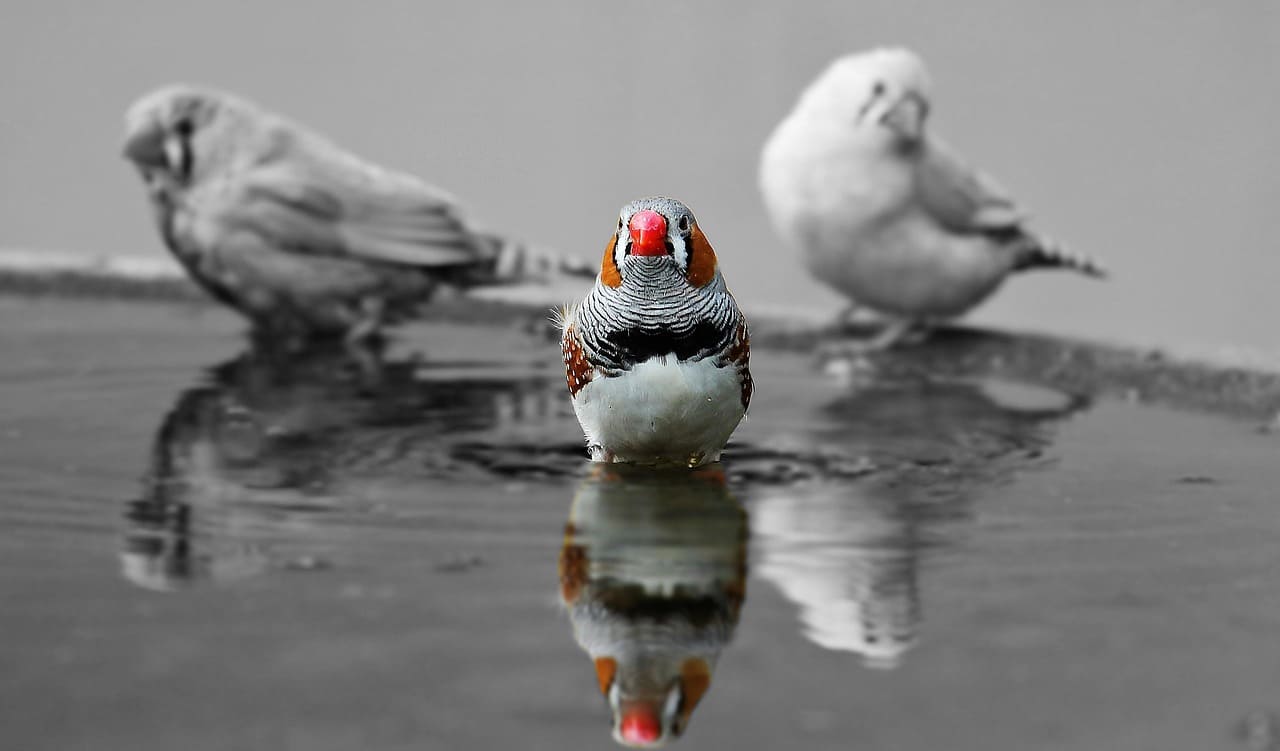
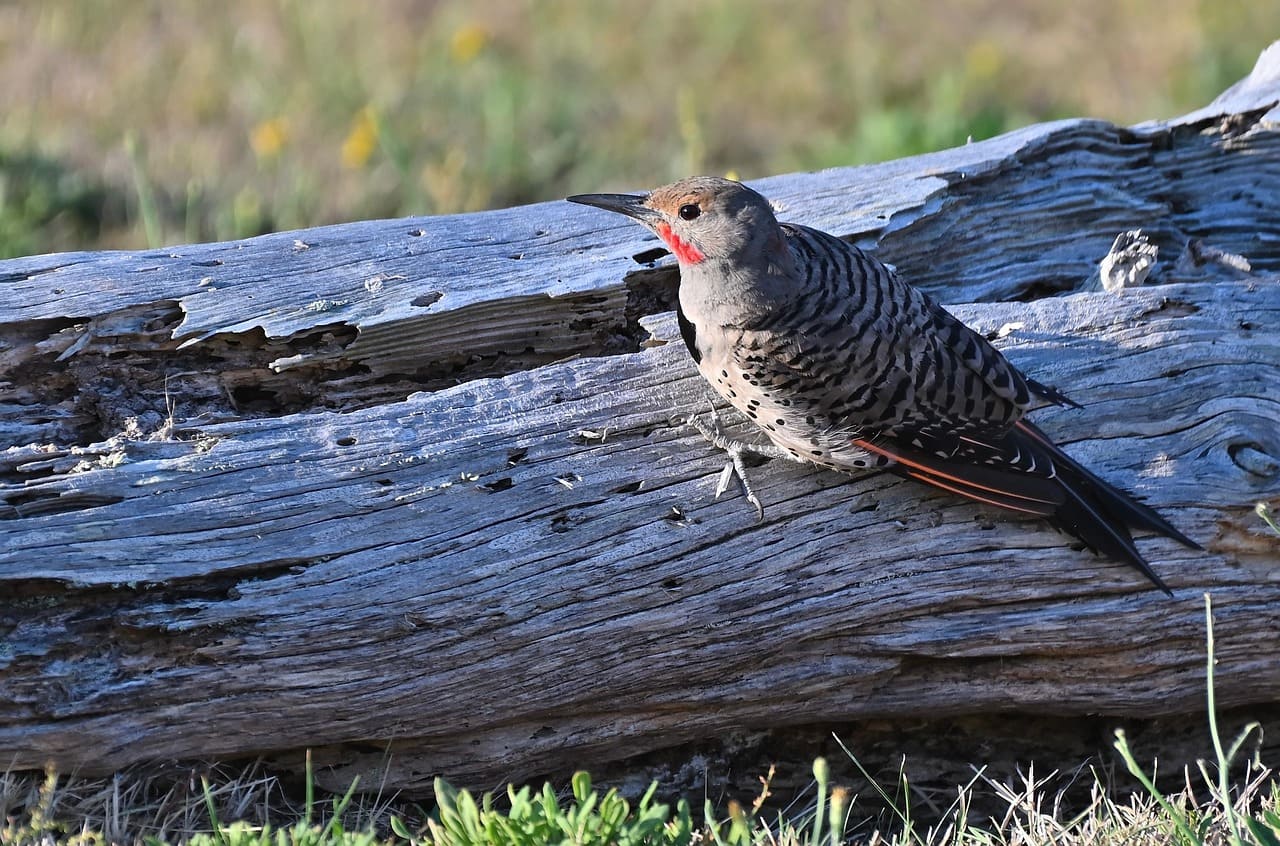
Finches are small, energetic songbirds admired for their cheerful calls, playful personalities, and delightful color patterns. Found across forests, fields, parks, and residential gardens, each finch bird brings a spark of movement and sound to outdoor spaces with quick hops, fluttering flights, and melodic tones. Their constant activity and sociable nature make them popular among birdwatchers, and spotting a bright gold finch at a feeder or wildflower patch can feel like discovering a miniature jewel. While larger species such as the northern flicker woodpecker capture attention with bold, echoed calls and dramatic displays, finches add balance through gentle, continuous chatter that softens the natural soundtrack of wooded edges and open meadows.
Appearance, Behavior, and Variations
Finches come in many shapes and patterns, but they generally share conical seed-cracking beaks, agile flight, and coordinated flock behavior. Their colors range from soft browns and grays to brilliant yellows, reds, and oranges, depending on species and season. The gold finch is especially known for its vivid yellow summer plumage and contrasting black wings, appearing like a flash of sunlight when feeding near thistles or wildflowers.
Across the Atlantic and into Eurasia, birders may encounter the bull finch, a beautifully rounded bird with soft gray wings and a bold chest tint. In some regions, people refer to similar species as the bull finch bird, emphasizing its unique shape and gentle call. Meanwhile, the american finch bird represents New World relatives that thrive near feeders, parks, and suburban greenways, demonstrating how well finches adapt to human-influenced environments when natural food sources remain available.
Finches feed primarily on seeds, buds, and soft plant material, though they may also eat small insects for protein. Their social nature leads to flocking outside of nesting season, where groups may move between feeding areas, creating lively visual displays. They show remarkable agility and coordination, landing lightly on thin branches and stems where heavier birds cannot perch as easily.
Finch nests are typically cup-shaped and woven from grasses, moss, and fine fibers, carefully hidden among shrubs or branches. Females often take the lead in nest construction, while males defend territory and bring food during incubation. Both parents usually assist with feeding once chicks hatch.
Habitat, Observation, and Seasonal Behavior
Finches thrive in habitats with mixed vegetation, including hedgerows, gardens, forest edges, meadow borders, and open countryside. They gravitate toward areas where seeds and berries remain available throughout the year. Winter flocks may visit feeders for sunflower, nyjer, or millet seeds, while warm-weather months allow them to forage naturally among seed-bearing plants.
Observers enjoy watching finches due to their tameness and steady presence. Listening for light musical warbles, short trills, or quiet buzzing notes can help identify species even before they are seen. Early morning and late afternoon are the best times to watch, as finches are most active while feeding and socializing.
Conclusion
Finches embody charm, color, and musical energy, enriching landscapes across continents with both beauty and behavior. From the radiant gold finch to the distinctive bull finch, and from the adaptable american finch bird to other regional relatives, each offers something special to observe. Although small, these birds play a meaningful ecological role by dispersing seeds, controlling pests, and signaling habitat health. Much like the louder, more dramatic northern flicker woodpecker, finches encourage us to pause, listen, and appreciate the quiet wonders of everyday birdlife.