Birding is a simple way to turn any walk outdoors into an adventure. With a pair of binoculars and a bit of curiosity, you can start noticing shapes, colors, and calls that once blended into the background. Soon you begin to recognize familiar songbirds in your yard, distant silhouettes soaring overhead, and the soft flutter of wings in nearby trees. Birding is open to everyone, from kids keeping their first checklist to seasoned travelers seeking rare species. Most of all, it is a relaxing, low-cost hobby that connects you deeply with each season and every place you visit.
Getting Started with Birding
When you first start birding, it helps to slow down and pay attention to patterns. Early in the morning, listen for the chorus of songbirds warming up the day. Watch how finches hop along branches in small groups, or how blackbirds gather in noisy flocks over nearby fields. With practice, you will link certain behaviors and sounds to specific birds long before you see them clearly through your binoculars.
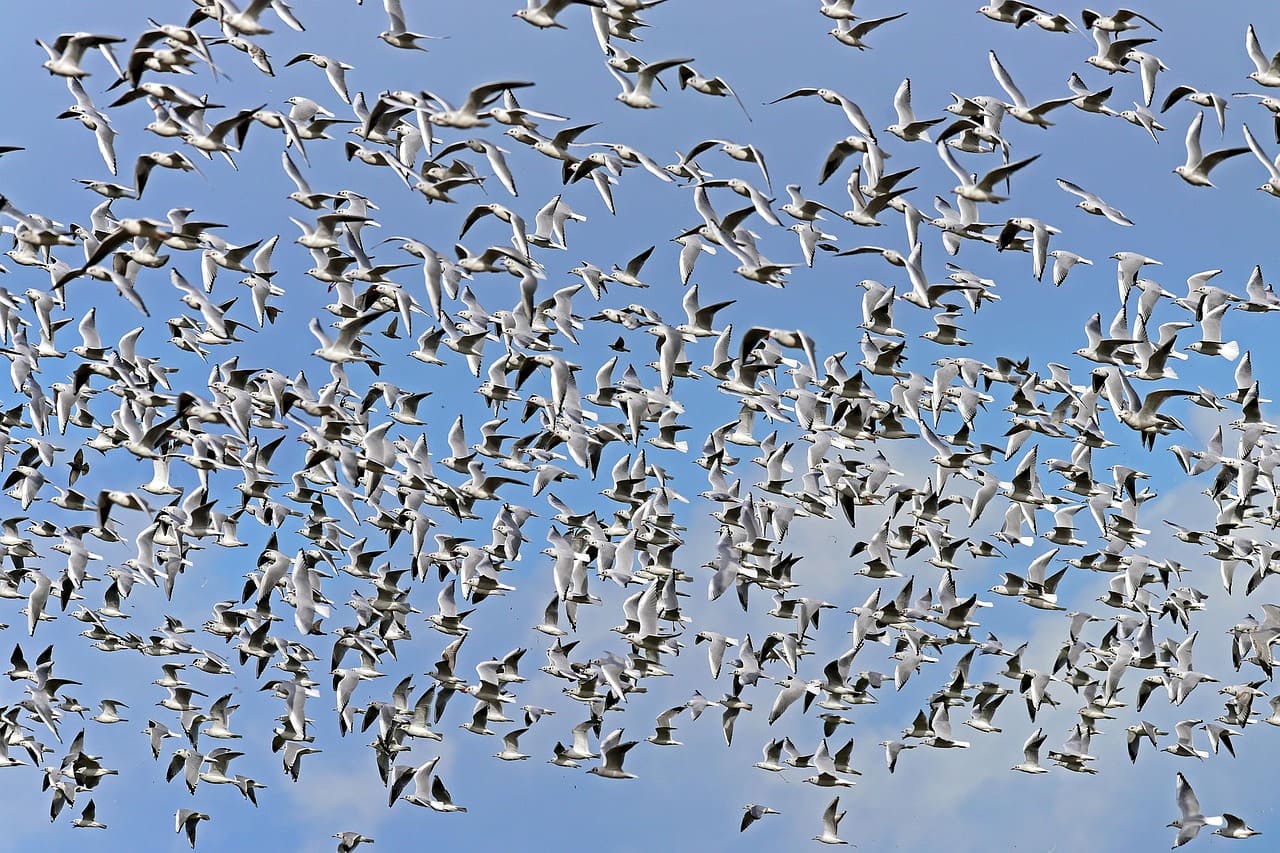
Different habitats reveal different stars. At the beach or along harbors, seagulls patrol the shoreline, calling loudly as they soar on the wind. In meadows and open farmland, you might spot a pheasant stepping cautiously from the grass or a northern flicker woodpecker searching the ground for ants. Forest edges and quiet back roads are good places to listen for the haunting nighttime call of a whippoorwill or the silent flight of a hunting barn owl.
As your skills grow, you can build a list of birds you hope to see. A simple notebook or digital checklist works fine. Many birders enjoy keeping target lists such as:
- Songbirds in local parks and gardens
- Finches visiting backyard feeders
- Seagulls and shorebirds along the coast
- Blackbirds gathering over wetlands
- A secretive barn owl at dusk
- A calling whippoorwill on a summer night
- A shy pheasant crossing a country lane
- Puffins nesting on distant sea cliffs
- A colorful cockatiel inspiring curiosity at home
- A northern flicker woodpecker in spring
Lists like these give structure to your outings and help you notice progress. Each new species you recognize is another small victory, and over time you will start to remember favorite spots and seasons for each bird. Good birding also means respecting wildlife. Stay on marked paths when possible, keep a reasonable distance, and avoid disturbing nests or roosting birds just for a closer photograph. If you bring children or friends, show them how to move quietly and speak in low voices so everyone has a better chance of seeing shy species. By choosing reusable water bottles, reducing plastic waste, and supporting habitat protection, you make life safer for the birds you love to watch. Over months and years, keeping careful notes and photos turns your personal birding story into a record of changing seasons and local wildlife.
Why Birding Matters
Birding invites you to slow down, look up, and really notice the life around you. Whether you are counting finches at a feeder, scanning cliffs in hopes of seeing puffins, or quietly listening for a distant whippoorwill, each moment outdoors adds to your understanding of the natural world. You do not need rare species or perfect photos to belong in this hobby; curiosity and patience are enough. As you learn more birds by sight and sound, your local park or backyard will begin to feel richer, more alive, and worth protecting for years to come.