
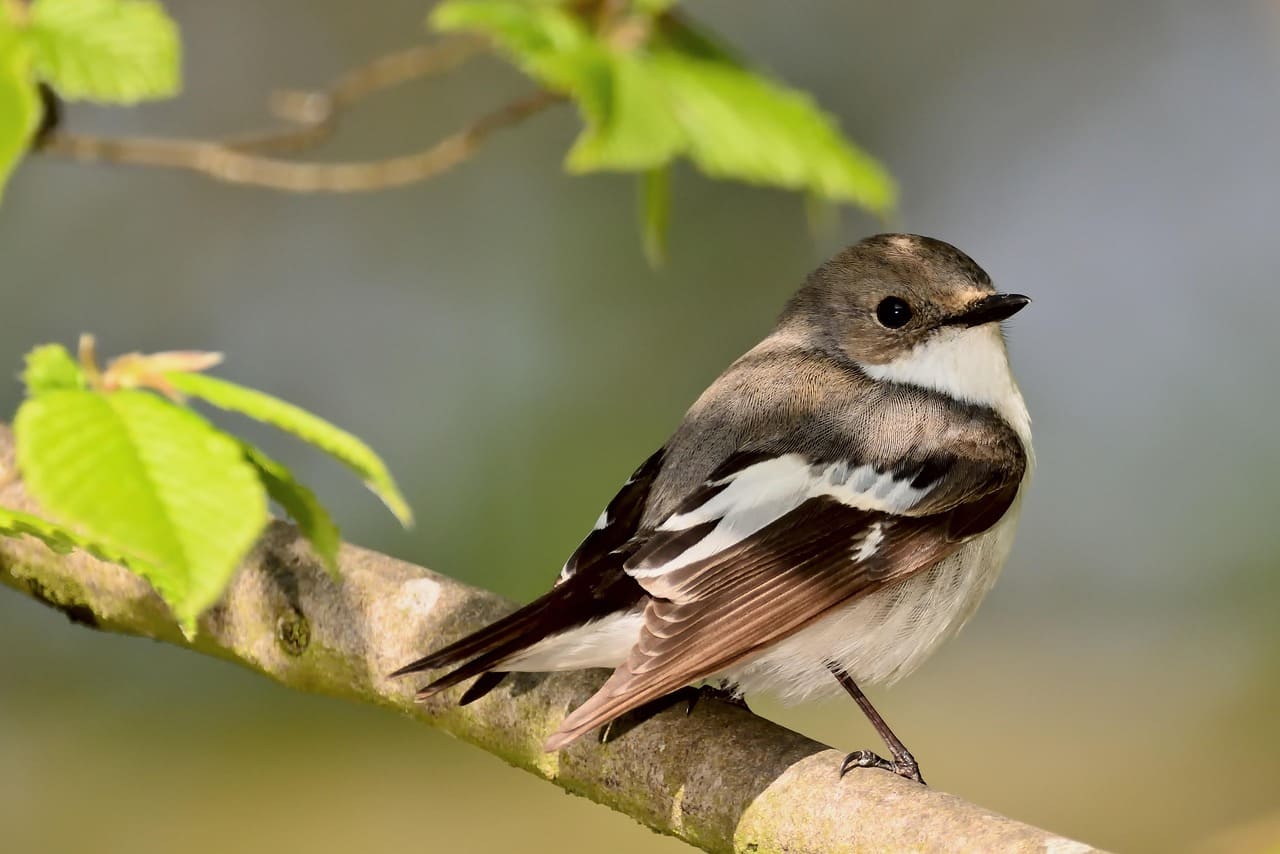
Songbirds are among the most celebrated creatures in the natural world, admired not only for their beauty but for their remarkable vocal abilities. Found in forests, wetlands, fields, and even bustling suburbs, they provide a soundtrack that changes with season, climate, and habitat. The pleasant trill of a morning song bird drifting through cool dawn air can calm the mind, mark the start of a new day, and remind us of nature’s delicate balance. Across cultures and generations, the melodic song of bird communication has inspired poetry, research, storytelling, and conservation movements. Whether watched from a backyard feeder or deep within a misty forest, these birds allow us to experience the outdoors through sound as much as sight.
A World of Melodies and Messages
Songbirds have evolved complex vocal muscles that allow them to create layered notes, whistles, buzzes, trills, and melodic phrases. These vocalizations serve vital purposes: attracting mates, defending territory, warning of predators, and maintaining flock cohesion. Every species has its own distinct sound, and expert listeners may identify a bird without ever seeing it.
Although the term songbird often refers to vocal species across the Northern Hemisphere, their diversity spans continents. In North America, the American dipper stands out as an unusual member of the group, living near fast-flowing mountain streams. Known for its bobbing behavior and surprising vocal talent, it can be seen singing near water where most birds avoid the splash and current. Across the Atlantic, British song birds enchant rural hedgerows and woodlands, especially in spring when gardens echo with layered, persistent melodies.
Listening closely reveals patterns that help identify species. Some produce simple, clear notes spaced evenly, while others deliver rapid, complex sequences. The surroundings influence tone as well. Birds living deep in forests often use lower, slower notes that travel through dense foliage, while birds in open meadows use sharper, higher calls that carry through wind and grass.
To experience the best variety, early morning is ideal. During the well-known dawn chorus, each morning song bird seems to take its turn warming the air with melodic energy. This phenomenon peaks in spring, signaling breeding season and renewed life after winter. Although songbirds dominate daytime soundscapes, night offers contrasting voices like the gentle, rhythmic call of the whippoorwill, creating an atmospheric bridge between night and day.
Where and How to Observe Songbirds
Songbirds thrive where food, shelter, and clean water are abundant. Woodlands, wetlands, gardens, and river corridors support rich populations. Observers can improve their experience with a few strategies:
- Move quietly and pause often to encourage birds to resume natural behavior.
- Watch behavior as much as color, since posture and movement patterns provide clues.
- Focus on silhouette against sky or leaves when light is low.
- Record notes or descriptions rather than relying only on photographs.
- Protect habitat by respecting nest sites, minimizing disturbances, and supporting conservation.
Birdsong awareness develops with time, and each new sound becomes a memorable entry in a personal nature journal. As seasons shift, so does the soundscape, turning every outing into a unique experience.
Conclusion
Songbirds enrich ecosystems and human life through sound, behavior, and beauty. From the river-dwelling American dipper to the charming voices of British song birds and the uplifting start offered by a morning song bird, these species remind us how connected hearing and nature truly are. By pausing to appreciate each song of bird communication, we strengthen awareness, curiosity, and motivation to protect wild spaces where melodies never fall silent.