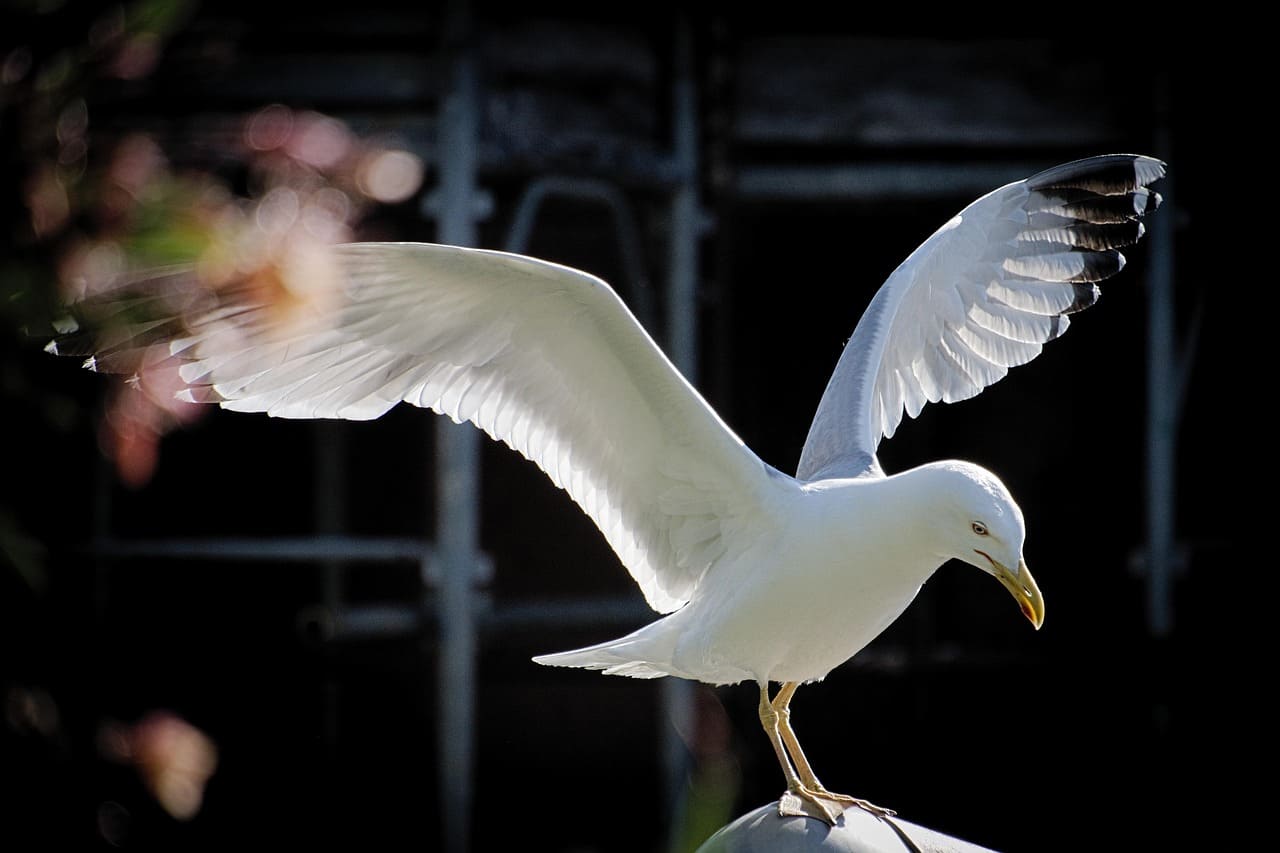
Seagulls are among the most familiar coastal birds in the world, known for their loud calls, confident behavior, and ability to thrive in both natural and human-influenced environments. Whether seen soaring high above waves, scouting fishing docks, or gliding over urban parks, gulls have become symbols of shorelines and open skies. Their intelligence, diverse diet, and social habits make them fascinating birds to observe year-round. A seagull flock can shift from calm resting to rapid movement in seconds, creating dramatic silhouettes against water and sky. While many people associate gulls only with beaches, the wide variety of type of gulls found around the world proves that they are far more versatile than casual observers might assume.
Appearance, Species, and Behavior
Seagulls vary greatly in color, size, and behavior depending on species and habitat. Coastal birders in the United Kingdom may notice British gulls that display subtle gray patterns and seasonal plumage changes, while other regions host bolder markings and different wing shapes. One notable species, the black headed seagull, is easy to recognize during breeding season due to its dark chocolate-colored head, graceful flight, and distinctive call.
Gulls possess broad wings and strong flight control, allowing efficient long-distance travel, wind gliding, and hovering maneuvers. Watching a gull flying across a windy harbor demonstrates its precision, even in rough conditions. Their beaks are adapted for a wide diet that may include fish, small crustaceans, insects, seeds, and occasionally food scraps from human areas. This flexible feeding strategy helps gulls survive in changing environments and explains why they gather in both natural and urban spaces.
Gulls are also known for their intelligence. They can solve simple problems, cooperate when foraging, and even steal food from other birds, a strategy known as kleptoparasitism. In addition, the mysterious jellcat seagull, often discussed among animal enthusiasts online, reflects how gulls continue to inspire curiosity and creative representation in modern culture.
Habitats, Communication, and Social Life
A seagull flock thrives near coastlines, piers, estuaries, and fishing sites, but some species travel far inland and live near lakes, fields, and city centers. Their loud calls help coordinate movement, defend nesting sites, and warn others of danger. When nesting, gulls often choose flat open surfaces such as rocky ledges, coastal dunes, or rooftops. Their young develop quickly and learn to forage by observing adults.
Gulls are also known for mixed-species interactions. While they dominate many shoreline feeding zones, they can be seen sharing space with ducks, shorebirds, and even flocking songbirds or blackbirds in agricultural fields. These encounters reveal how interconnected bird communities can be, especially when multiple species rely on similar food sources during migration seasons.
Conclusion
Seagulls are far more complex than their familiar coastal image suggests. From the striking plumage of the black headed seagull to the graceful teamwork of a well-organized seagull flock, their world is filled with strategy, communication, and adaptability. Observing type of gulls in different regions — from British gulls to rare local variations — shows how diverse and successful these birds are across the globe. Whether watching a gull flying effortlessly along the tide or resting quietly near a pier, taking time to notice them deepens appreciation for coastal ecosystems and the wildlife that depends on them.